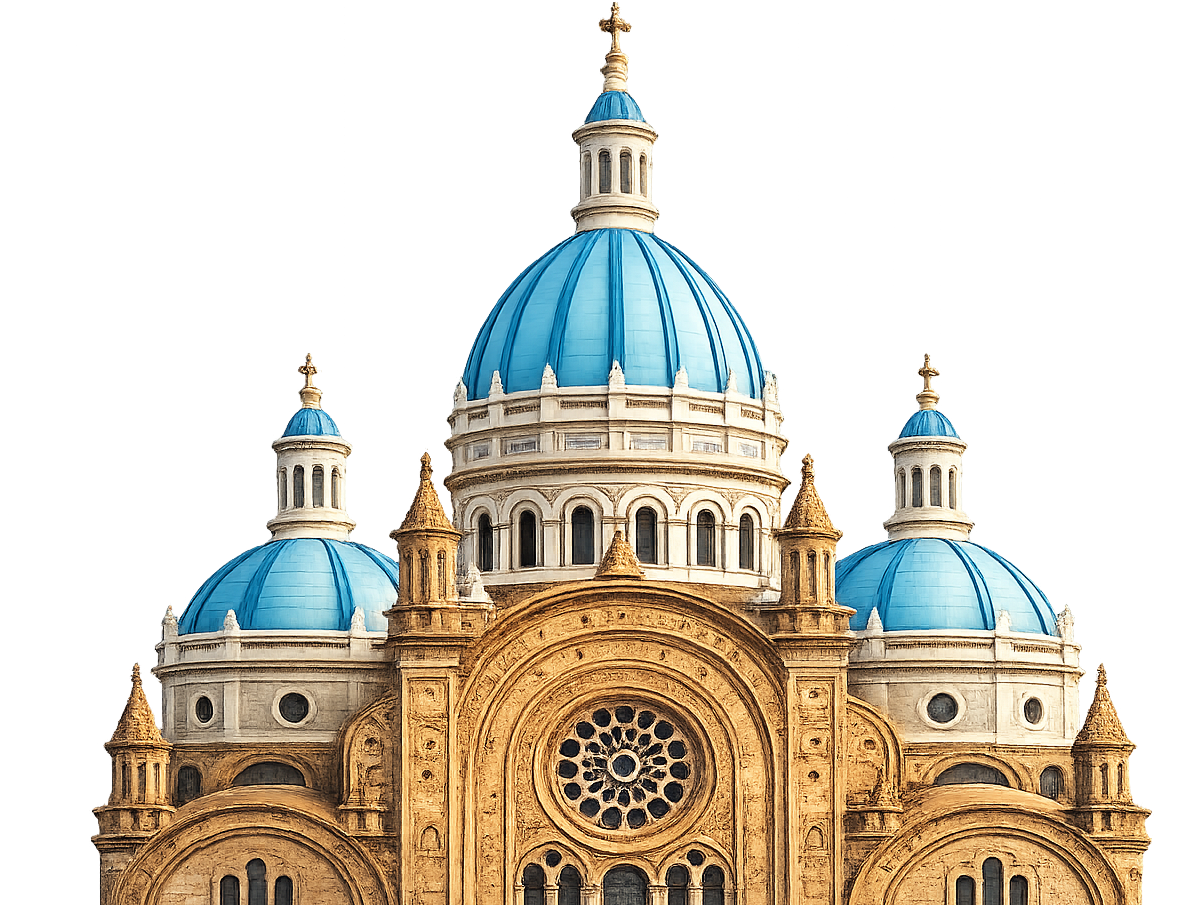
Cuenca is often considered Ecuador’s cultural capital, known for its UNESCO-listed Historic Center, colonial architecture, galleries, and museums. The city combines indigenous history, modern Ecuadorian art, archaeology, and local traditions within highly walkable neighborhoods.
For travelers staying near Mariano Cueva 9-69 or Gran Colombia 6-59, many of Cuenca’s best museums can be comfortably explored on foot while moving between cafés, plazas, and historic streets.
For long-stay travelers and remote workers especially, the city’s museum culture becomes part of everyday life in Cuenca.
Museo Pumapungo
Museo Pumapungo is widely considered one of the most important museums in Ecuador. The museum combines indigenous history, archaeology, ethnographic exhibitions, Inca ruins, gardens, and riverside walking areas.
Visitors can explore pre-Columbian artifacts, traditional Ecuadorian cultures, archaeological ruins, and historical exhibits from different regions of Ecuador. The museum area also connects naturally to Río Tomebamba and nearby walking paths, making it one of the most complete cultural experiences in Cuenca.
Museum of Aboriginal Cultures
Museo de las Culturas Aborígenes is known for its extensive collection of pre-Columbian artifacts from ancient Ecuadorian civilizations. The museum includes pottery, ceremonial objects, archaeological collections, and cultural exhibitions spanning centuries of Ecuadorian history.
Many travelers interested in indigenous history and archaeology consider it one of Cuenca’s most interesting museums.
Museo Municipal de Arte Moderno
Museo Municipal de Arte Moderno offers a different perspective of Cuenca’s cultural identity through modern Ecuadorian and Latin American art. Located inside a historic colonial building, the museum combines contemporary exhibitions, photography, Ecuadorian artists, rotating cultural events, and quiet courtyards and galleries.
The museum area also connects naturally with San Sebastián, one of Cuenca’s most creative neighborhoods.
Homero Ortega Panama Hat Museum
Homero Ortega Panama Hat Museum focuses on one of Ecuador’s most internationally recognized traditions: toquilla straw hat craftsmanship.
Visitors can learn about traditional weaving techniques, local artisan culture, hat production history, and Ecuadorian craftsmanship. Many travelers visit the museum while exploring nearby cafés and artisan districts around the Historic Center.
Museums and Walkability in Cuenca
One of Cuenca’s biggest advantages is that many museums are located within walkable areas surrounding Parque Calderón, Calle Larga, Río Tomebamba, and San Sebastián.
This allows travelers to naturally combine museums, cafés, plazas, bakeries, galleries, and historic streets within the same day. For many visitors, this slower and more connected style of exploration becomes one of the most memorable parts of staying in Cuenca.
A City Built Around Culture
Unlike destinations focused mainly on nightlife or fast tourism, Cuenca offers a slower cultural atmosphere centered around museums, public plazas, cafés, galleries, architecture, and local traditions.
The city’s Historic Center officially became a UNESCO World Heritage Site in 1999 because of its historical and architectural importance. Today, many travelers continue choosing Cuenca because it combines walkability, culture, slower rhythm, mountain atmosphere, café lifestyle, and historic architecture into one of Ecuador’s most comfortable cities for long-term travel.
To discover more corners of Cuenca, continue with our local guide.