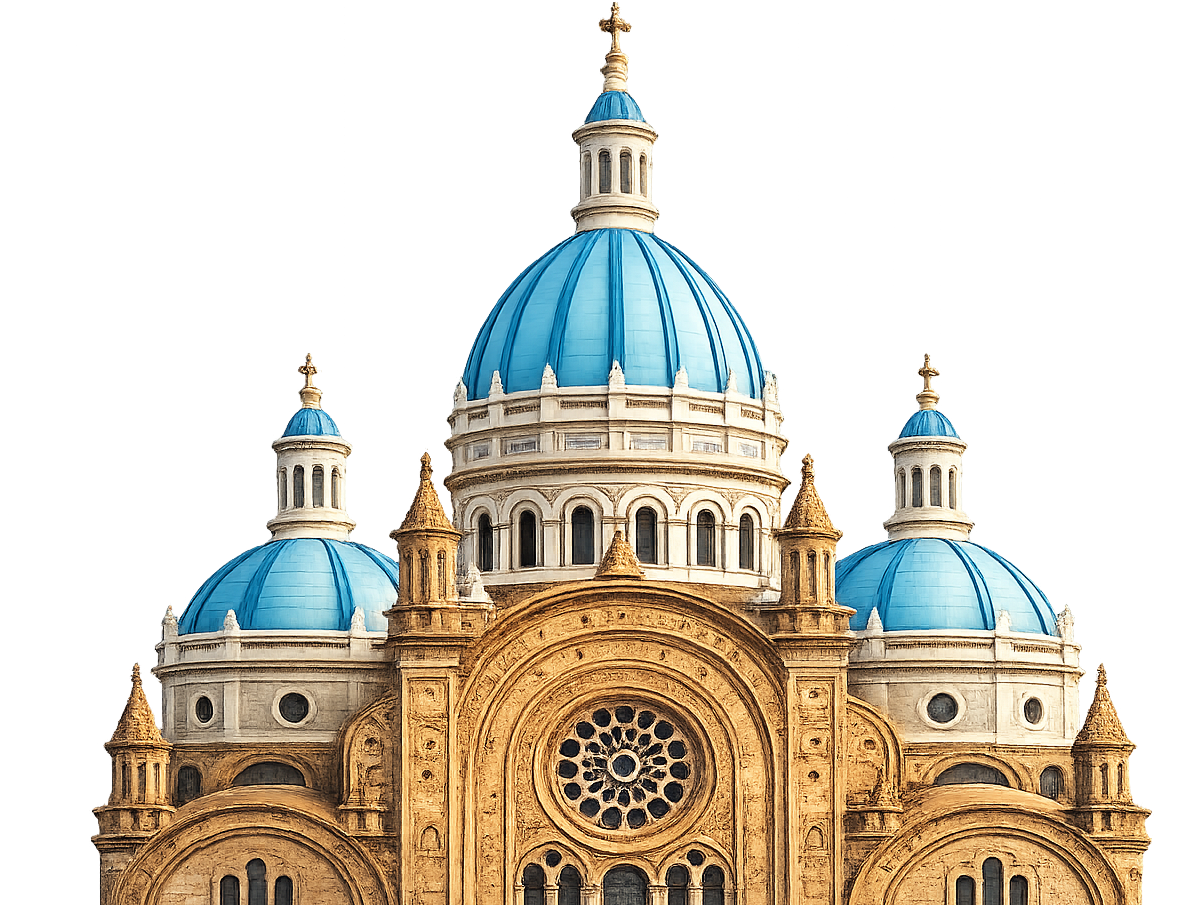
Cuenca is widely recognized as one of the most beautiful historic cities in Ecuador, known for its colonial streets, blue-domed cathedrals, historic plazas, carved balconies, stone churches, and riverside architecture. The city offers one of the most complete architectural experiences in the Andes region.
In 1999, Cuenca’s Historic Center officially became a UNESCO World Heritage Site because of its historical and architectural importance. For many travelers, architecture becomes one of the main reasons they continue returning to the city.
Colonial Architecture and Spanish Influence
Much of Cuenca’s Historic Center reflects Spanish colonial urban design combined with local Ecuadorian traditions and Andean influences. Travelers walking through the city discover colonial façades, interior courtyards, wooden balconies, stone streets, churches, tiled rooftops, and narrow historic passages.
The city’s layout still preserves much of its historical structure, creating a much more connected and walkable atmosphere compared to many modern urban destinations.
Catedral Nueva and the Blue Domes
One of the most recognizable architectural landmarks in Cuenca is Catedral Nueva. The cathedral is known for its blue domes, monumental scale, European-inspired architecture, and central location beside Parque Calderón.
The domes have gradually become one of the most photographed symbols of Cuenca and Ecuador itself. Travelers staying near Mariano Cueva 9-69 or Gran Colombia 6-59 can comfortably walk to the cathedral while exploring nearby cafés, plazas, and historic streets.
Historic Streets Around Parque Calderón
The areas surrounding Parque Calderón contain some of Cuenca’s most important architectural landmarks. The neighborhood combines churches, government buildings, historic houses, cafés, museums, plazas, and colonial façades.
Many travelers spend hours simply walking through the area while photographing balconies, windows, archways, stone streets, and cathedral domes. Unlike faster urban destinations, Cuenca encourages slower exploration and observation.
Architecture Along Río Tomebamba
The areas surrounding Río Tomebamba create a different architectural atmosphere compared to the central plazas. The riverside districts combine historic bridges, colonial houses, cafés, terraced buildings, gardens, and mountain landscapes.
The contrast between architecture and natural scenery becomes one of the most visually distinctive parts of the city. Many photographers and travelers especially enjoy exploring these areas during sunset and early evening hours.
San Sebastián and Artistic Architecture
San Sebastián offers a quieter and more artistic side of Cuenca’s architectural identity. Compared to more tourist-heavy areas, the neighborhood feels calmer, more residential, more creative, and slower paced.
The district combines galleries, restored colonial buildings, artisan workshops, small plazas, and hidden courtyards, creating one of the city’s most comfortable areas for slow exploration.
Why Architecture Shapes the Experience of Cuenca
Unlike cities dominated by modern skyscrapers and commercial development, Cuenca remains strongly connected to public plazas, pedestrian streets, historic neighborhoods, churches, markets, and riverside spaces.
For many visitors, this architectural continuity creates a much more human and comfortable urban atmosphere. The city feels designed around walking, public life, and slower daily routines rather than traffic and large-scale infrastructure.
A City Built Around History and Everyday Life
One of the reasons Cuenca feels different from many tourist destinations is because its architecture still remains closely connected to everyday local life. People continue using plazas, cafés, markets, bakeries, historic streets, and riverside paths as part of normal daily routines.
For many travelers, this balance between architecture, culture, and slower living becomes one of the main reasons Cuenca feels so memorable.
To discover more corners of Cuenca, continue with our local guide.